

The Real Development, Happens on Training Nights
Why You Should Watch Your Child Train
Most parents experience their child’s soccer journey from the game-day sidelines. Goals, wins, losses, and emotions are all right there in front of you. But what often goes unseen—and is just as important, if not more—is what happens during training.
At Florida Coast FC, we believe training is where players are truly built.
1. You See Effort, Not Just Outcomes
Games highlight results. Training reveals work ethic.
At practice, you’ll see:
How hard your child works when no scoreboard is present
Their focus during drills
How they respond to challenges, mistakes, and repetition
This effort often tells a bigger story than goals or assists on game day.
2. Growth Happens in the Details
Training is where players learn:
Ball mastery and technique
Decision-making under pressure
Positioning, spacing, and movement
These details don’t always stand out during a fast-paced match, but they are the foundation of long-term development.
3. You Learn the Language of Coaching
Watching training helps parents better understand:
Coaching cues and terminology
Why certain skills are emphasized
How progress is measured beyond wins
This makes post-practice conversations more meaningful and supportive.
4. Confidence Is Built in Practice
Confidence doesn’t appear magically on game day. It’s earned through:
Repetition
Encouragement
Small daily improvements
When children know their parents value the work they put in at training, they feel supported even before the whistle blows on Saturday.
5. It Shifts the Focus From Pressure to Progress
When parents only attend games, kids may feel that performance matters more than development.
By showing up to training, you send a powerful message:
“I care about how you grow, not just how you score.”
That mindset builds resilient, confident athletes.
A Parent’s Role at Training
We encourage parents to:
Observe quietly
Avoid coaching from the sidelines
Celebrate effort, attitude, and improvement
Your presence alone speaks volumes.
Final Thought
Games are exciting. Training is transformative.
If you truly want to understand your child’s soccer journey, spend time where the real work happens.
Watch them train. You’ll see progress you never noticed before.
— Florida Coast FC Coaching Staff
Development Over Winning: Building Better Players for the Long Term
In youth soccer, wins and losses are easy to see. Scores are posted, standings are tracked, and trophies are handed out. But the most important question often gets overlooked:
Is your child developing?
At Florida Coast FC, we believe development must always come before winning—because winning at young ages does not guarantee long-term success.
Winning Is Temporary. Development Lasts.
A team can win games by being bigger, faster, or more physically mature. But those advantages fade over time. What stays with a player is:
Technical ability on the ball
Decision-making under pressure
Confidence to try, fail, and try again
Love for the game
These qualities are built through intentional training, not chasing short-term results.
Why Development Matters More Than the Scoreboard
1. Winning Early Can Hide Weaknesses
Young teams can win games while:
Relying on one strong player
Playing kick-and-run soccer
Avoiding risk to protect the score
This may lead to wins today—but it limits learning and growth tomorrow.
2. Development Encourages Creativity
Players who are allowed to:
Try skills
Make mistakes
Solve problems on their own
Become confident decision-makers. Fear of losing often removes creativity from the game.
What Development-Focused Soccer Looks Like
At Florida Coast FC, development means:
Equal emphasis on technique, decision-making, and mindset
Teaching players how to play, not just where to stand
Encouraging effort, courage, and improvement over perfection
Wins become a byproduct—not the goal.
The Role of Parents in the Process
Parents play a powerful role in shaping a child’s soccer experience. Supporting development means:
Praising effort, not just goals
Asking “What did you learn?” instead of “Did you win?”
Trusting the coaching process
When adults focus on growth, players feel free to develop without fear.
Long-Term Players, Not Short-Term Results
The goal of youth soccer is not to win at age 8, 10, or even 12.
The goal is to prepare players for:
Higher levels of competition
High school and beyond
A lifelong love of the game
Development-first players are adaptable, resilient, and confident—qualities that last far beyond youth soccer.
Final Thought
Wins fade.
Standings reset.
Trophies collect dust.
But development shapes players for life.
At Florida Coast FC, we choose the long road—because it leads to better players, better people, and a better game.
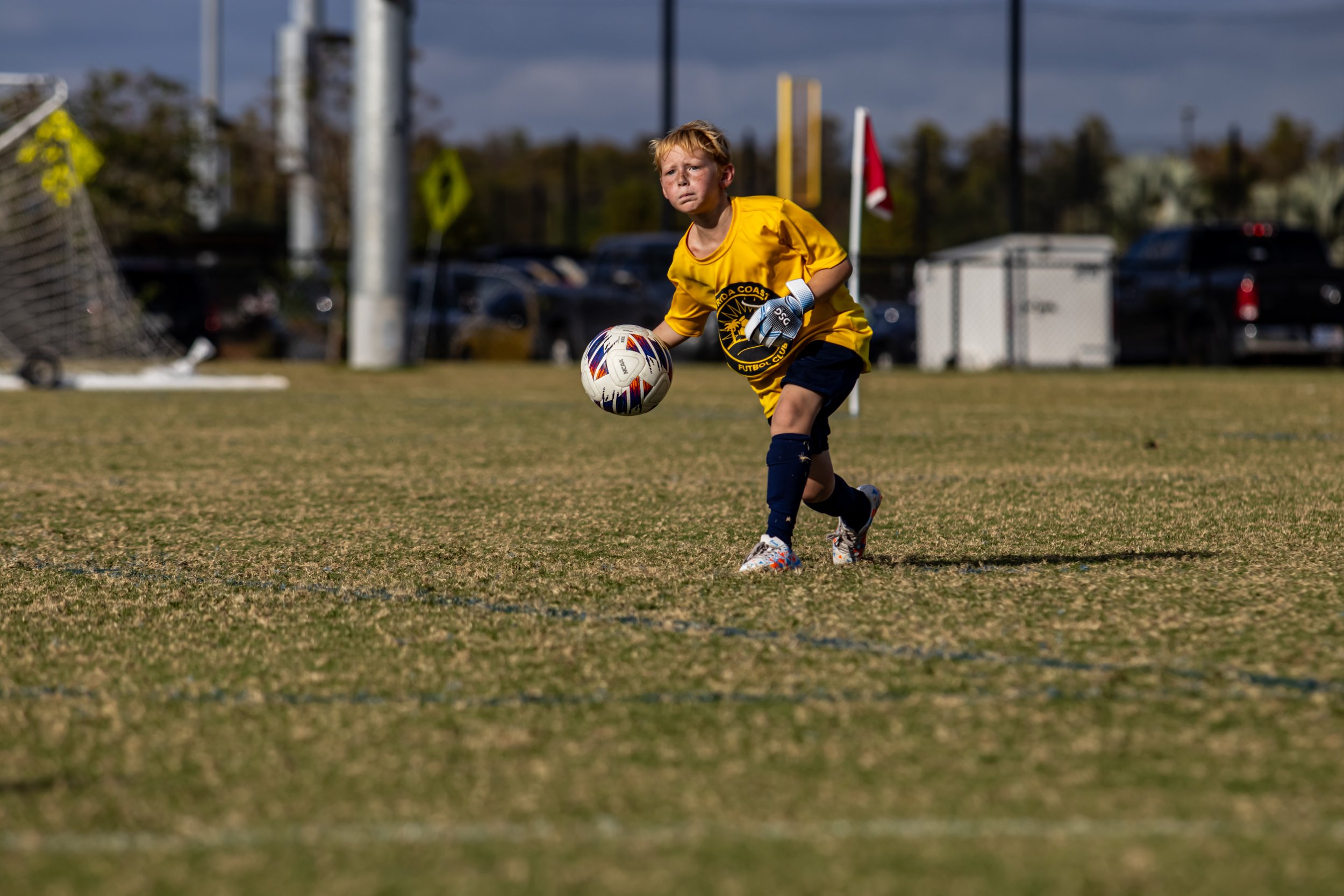
What Is the True Goal of Your Child’s Soccer Journey?
Florida Coast FC Child’s Youth Soccer Journey
When children first step onto a soccer field, the goal often feels simple: play the game.
But as they grow, competition increases, expectations rise, and the focus can slowly shift toward wins, rankings, and outcomes.
That’s when it’s worth pausing to ask an important question:
What is the true goal of your child’s soccer journey?
It’s Not Just About Winning Games
Winning feels good. Trophies are exciting.
But wins alone don’t define success—especially in youth soccer.
A child can win games while:
Avoiding mistakes
Playing without creativity
Feeling pressure instead of joy
Short-term success does not always equal long-term growth.
The Real Goals That Matter
A healthy soccer journey should aim to develop:
1. Confidence
Confidence comes from trying, failing, and improving—not from never making mistakes. Players who feel safe to learn become braver and more resilient.
2. Love for the Game
The best long-term outcome is a child who wants to keep playing. Joy, curiosity, and passion are far more powerful than any medal.
3. Strong Habits
Commitment, discipline, teamwork, and accountability are learned through the process of training—not just competition.
4. Skill and Understanding
True development means players learn how to think the game, solve problems, and adapt—skills that last at every level.
Every Journey Looks Different
Not every child will:
Play at the highest level
Be the top scorer
Develop at the same pace
And that’s okay.
The goal isn’t to rush the journey—it’s to support it.
The Parent’s Role
Parents shape the experience more than they realize. You help guide the journey when you:
Praise effort over results
Ask “What did you learn?” instead of “Did you win?”
Support growth through patience and trust
When adults focus on development, children feel supported—not pressured.
Final Thought
The true goal of youth soccer isn’t a trophy, a ranking, or a highlight reel.
It’s raising confident, resilient players who:
Love the game
Believe in themselves
Carry life skills far beyond the field
At Florida Coast FC, we believe the journey matters more than the destination—because the right journey creates the best outcomes.
Trust the process. Support the growth. Enjoy the journey. ⚽